

Residential communities are expected to provide more than comfortable homes. Residents also want to feel safe when they return home, walk through common areas, use parking facilities, or spend time with their families.
However, apartment communities, homeowners associations (HOAs), gated communities, and other residential properties can face a range of security concerns. These may include trespassing, theft, vandalism, vehicle break-ins, unauthorized visitors, property damage, and suspicious activity.
One practical way to strengthen residential security is through security patrol services.
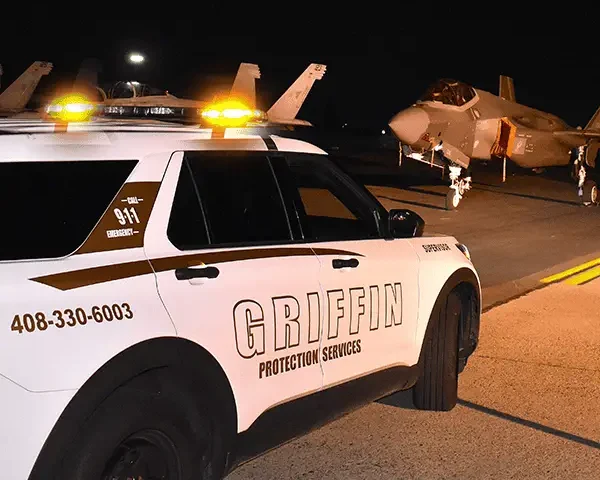
Security patrols provide a visible and mobile security presence throughout a property. Instead of remaining at one fixed location, patrol officers can move through parking areas, entrances, common areas, building perimeters, and other designated locations to identify potential problems and deter unwanted activity.
For residential communities in the Bay Area and Northern California, professional patrol services can complement cameras, access-control systems, lighting, gates, and other existing security measures.
Griffin Protection Services provides residential and apartment security solutions designed around the specific needs of properties and communities, including patrols, access control, emergency response, and other security services.
Security patrols are scheduled or randomized rounds conducted by trained security officers throughout a property.
Depending on the community’s security plan, patrols may be conducted on foot, in a marked security vehicle, or through a combination of approaches.
A residential security patrol may include:
The purpose is not simply to drive around the property. Effective patrols follow a defined security plan based on the community’s layout, known vulnerabilities, operating hours, previous incidents, and specific security objectives.
Residential communities can be difficult to monitor continuously because they often contain multiple buildings, parking areas, entrances, pedestrian walkways, recreational spaces, and other shared areas.
Residents and property managers may notice suspicious activity, but they cannot reasonably monitor every part of a property around the clock.
Security patrols provide an additional layer of visibility.
A professional patrol officer can move through different parts of the community, identify unusual conditions, interact with residents when appropriate, and escalate security concerns according to established procedures.
This makes patrols particularly useful for properties where a fixed security post would not provide sufficient coverage across the entire site.
One of the most important benefits of security patrols is visibility.
A marked security vehicle or uniformed security officer moving through a residential property signals that the community is actively monitored.
Individuals considering trespassing, vandalism, theft, or other unwanted activity may be less likely to target a property when they see a consistent security presence.
The deterrent effect is stronger when patrols are conducted consistently and at different times rather than following a completely predictable pattern.
However, security patrols should not be presented as a guarantee that crime will never occur. Their role is to reduce opportunities, increase visibility, identify concerns, and support a broader residential security strategy.
Predictable patrol schedules can make it easier for someone to determine when a property is unattended.
For example, if a patrol always occurs at exactly 10:00 p.m., an individual who is familiar with the routine may learn when security personnel are likely to be present.
Randomized patrols can make the security presence less predictable.
A professional security provider can establish patrol windows while varying the exact timing and route when appropriate.
This approach can help officers cover different areas of the community without creating an easily predictable routine.
Parking lots and garages are important parts of residential security.
Residents may leave vehicles, bicycles, personal belongings, and other property in parking areas for extended periods. These locations can also have blind spots, limited pedestrian activity, and reduced visibility during nighttime hours.
Security patrol officers can regularly inspect:
During patrols, officers can look for unusual activity, damaged property, unsecured gates, suspicious individuals, or other conditions that may require attention.
Regular visibility can make parking areas feel more secure while providing management with information about recurring vulnerabilities.
Crime prevention is not only about responding after an incident occurs.
Security patrols can help identify unusual conditions before they escalate.
An officer may notice:
Early identification gives property management and security personnel an opportunity to address the situation according to established procedures.
The appropriate response will depend on the circumstances. Security officers should operate within their legal authority, training, and the property’s security protocols.
Residential communities often have multiple ways to enter and leave the property.
These may include:
Security patrols can include routine checks of these locations.
Officers can identify damaged gates, propped-open doors, unauthorized activity, or other access-control concerns and report them to property management.
For communities with controlled access, patrols can complement electronic gates, key cards, intercoms, cameras, and other access-control technologies.
Vandalism can affect both the appearance and operating costs of a residential community.
Common examples include:
Patrol officers can inspect vulnerable locations and identify signs of damage during regular rounds.
A consistent security presence can also make it more difficult for individuals to engage in vandalism without being noticed.
If vandalism occurs repeatedly in a particular location, patrol reports can help property managers identify patterns and determine whether additional lighting, cameras, access controls, or targeted patrols are necessary.
Residential communities remain active long after property-management offices close.
Residents may arrive home late, visitors may enter the property, maintenance personnel may work overnight, and parking areas may remain busy.
At the same time, there may be fewer employees available to monitor security concerns.
After-hours security patrols provide a physical security presence during periods when property-management staff may not be available.
Depending on the community’s requirements, patrols can focus on:
This can help create continuity between daytime property management and overnight security operations.
Homeowners associations often manage communities with shared property, amenities, parking areas, gates, and other common spaces.
An HOA security strategy may need to address both resident safety concerns and protection of community property.
Security patrols can help HOA management monitor:
Patrol officers can also document security observations and report conditions that require management attention.
This allows the HOA to make decisions based on documented observations rather than relying solely on resident reports.
Security cameras are valuable tools for residential communities, but cameras and patrol officers serve different functions.
Cameras can provide visual monitoring and recorded evidence in appropriate areas.
Security officers provide a physical presence that can:
Combining cameras with patrols can create a layered security strategy.
For example, cameras may identify activity in a parking garage while a patrol officer can physically inspect the area when appropriate.
The strongest approach is generally not security patrols versus cameras, but determining how the two can work together based on the property’s needs.
Every residential property has areas that are more difficult to monitor.
These may include:
A patrol schedule can prioritize these areas based on the community’s security assessment.
Regular checks help ensure that less visible portions of a property are not completely overlooked.
If an officer repeatedly identifies the same vulnerability, management can investigate whether a permanent solution—such as improved lighting, fencing, access control, or surveillance—is appropriate.
A patrol officer already present on the property may be able to identify and report a security issue without waiting for an employee or resident to discover it.
For example, an officer conducting a routine round might identify:
The officer can follow the property’s established procedures and communicate the observation to the appropriate contact.
This does not mean every situation requires physical intervention. In many circumstances, the appropriate role of the security officer is observation, communication, documentation, and escalation.
Professional security patrols should involve more than simply having an officer visit the property.
Documentation is an important part of an effective patrol program.
Reports can help management understand:
Over time, these observations can help property managers make more informed security decisions.
Griffin Protect emphasizes detailed reporting and accountability within its patrol services, helping commercial and residential property managers maintain better visibility into security activity.
Residents do not necessarily want an environment that feels heavily restricted or intimidating.
They generally want to know that security concerns are being taken seriously.
A professional patrol officer can provide a visible presence while maintaining a respectful, service-oriented approach.
Security personnel may assist residents by:
The goal is to combine security with professionalism and respect for residents.
There is no universal patrol schedule that works for every residential property.
A small apartment community may need a different approach from a large HOA with multiple buildings and extensive parking.
A customized patrol plan can consider:
For example, a property with recurring overnight vehicle break-ins may need increased nighttime parking-area patrols, while a larger community may benefit from broader perimeter and access-point checks.
Customization helps ensure security resources are directed toward the areas where they can provide the greatest practical value.
Large residential properties can make continuous stationary coverage difficult.
A mobile patrol officer can travel between multiple designated areas during a shift, allowing one patrol program to provide visibility across a broader footprint.
Mobile patrols can be particularly useful for:
Griffin Protect provides mobile patrol and residential security services for properties throughout the Bay Area, with security plans tailored to the needs of individual sites.
Residential communities sometimes need to decide whether they should hire a mobile patrol service or place a security officer at a fixed post.
The answer depends on the property’s objectives.
Some residential communities can benefit from combining the two.
For example, a community could use a stationary officer at a primary entrance while mobile patrols cover parking areas and less visible portions of the property.
There is no single patrol frequency that is appropriate for every community.
The right schedule depends on factors such as:
A security assessment can help determine whether a property needs scheduled patrols, randomized patrols, overnight coverage, multiple daily rounds, or a combination of services.
The goal should be meaningful coverage not simply choosing a patrol frequency because it is common elsewhere.
A well-designed patrol program should have clearly defined responsibilities.
Depending on the property, these may include:
Officers inspect designated areas for suspicious activity, damage, unsecured entrances, and other security concerns.
Entrances, gates, doors, and other designated access points can be checked according to property procedures.
Officers inspect parking lots and garages for suspicious activity, security concerns, and property damage.
Building perimeters, walkways, recreational areas, and other designated exterior spaces can be included in patrol routes.
Officers respond to assigned security calls within their training and responsibilities and escalate emergencies appropriately.
Patrol activity, incidents, observations, and relevant property conditions should be documented consistently.
Security personnel should maintain clear communication with property management and follow established escalation procedures.
Hiring a security company is only one part of the process.
Property managers can improve patrol effectiveness by providing clear information about the property and its security objectives.
Tell the security provider where theft, vandalism, trespassing, or other incidents have occurred.
Define which buildings, parking areas, entrances, and common spaces should receive regular attention.
Security officers should know who to contact when a security issue requires management involvement.
Regularly review security reports to identify recurring problems and emerging patterns.
Security requirements can change as occupancy, property layout, construction, resident activity, or incident patterns change.
Make sure patrol officers understand relevant cameras, access-control systems, alarms, and other security infrastructure.
Professional security patrols can reduce security risks, but they should not be presented as a guarantee against crime.
Patrols are one component of a broader security strategy.
A comprehensive residential security program may also require:
The goal is to create multiple layers of protection so that one security measure is not responsible for the entire property’s safety.
Choosing a security provider requires more than comparing hourly rates.
Property managers and HOA boards should evaluate several factors.
Ask whether the provider has experience with apartments, HOAs, residential developments, and other community environments.
Confirm that security personnel meet applicable licensing and training requirements for the services they provide.
The provider should understand your property’s layout, risks, operating hours, and security objectives.
Ask how patrol activity and incidents are documented and how reports are delivered to management.
A professional security company should have appropriate supervisory processes for monitoring officer performance and service quality.
Management should know how to reach the security provider when schedules, incidents, or security requirements change.
Your security needs may increase or decrease based on incidents, occupancy, construction, special events, or changes to the property.
Griffin Protection Services provides security solutions for residential properties throughout the Bay Area and Northern California.
Its residential security approach can include professional security officers, patrol services, access-control support, emergency security, and customized coverage based on property requirements. Griffin Protect also provides security services for apartments, HOAs, commercial properties, and other environments.
The company emphasizes trained security personnel, de-escalation, incident response, reporting, supervision, and customized security planning rather than relying on a one-size-fits-all model.
For communities that need broader property coverage, mobile patrol services can complement stationary security, surveillance systems, access controls, and other existing measures.
Security patrols can help reduce opportunities for unwanted activity by creating a visible security presence, increasing monitoring of vulnerable areas, identifying suspicious conditions, and supporting timely reporting and response. However, no security service can guarantee that crime will not occur.
Patrol routes can include entrances, parking lots, garages, building exteriors, common areas, pedestrian walkways, gates, recreational facilities, and other locations identified during a property security assessment.
Mobile patrols can be useful for apartment communities because officers can cover multiple buildings, parking areas, entrances, and exterior locations during a shift. They can be particularly useful when a property needs visible security coverage without maintaining a guard at one fixed location continuously.
Neither is universally better. Cameras provide surveillance and recording capabilities, while patrol officers provide a physical presence, observation, communication, and on-site security support. Using both can create a more comprehensive security strategy.
Patrol frequency should depend on the community’s size, security risks, incident history, operating hours, and budget. Some properties may need several daily patrols or overnight coverage, while others may require less frequent randomized checks.
Patrols can provide additional visibility in parking areas and may deter unwanted activity. Officers can also identify suspicious behavior or property damage and document incidents. Communities should combine patrols with lighting, cameras, access controls, and other appropriate measures for stronger parking security.
Yes. HOAs with large common areas, multiple entrances, parking facilities, amenities, or recurring security concerns may benefit from professional patrols. Patrol services can help monitor shared property and provide management with documented observations.
Yes. Security patrol services can be scheduled during overnight hours when residential communities may have fewer staff members available and certain areas may have reduced visibility.
Security patrols can play an important role in protecting residential communities by increasing visibility, monitoring vulnerable areas, supporting access control, identifying suspicious activity, documenting incidents, and helping property managers understand security patterns.
However, effective residential security is not about simply adding more patrols.
It is about creating a layered and property-specific security strategy.
For some communities, scheduled mobile patrols may provide the right balance of visibility and flexibility. Others may require stationary security officers, access-control support, overnight coverage, or a combination of services.
Griffin Protection Services can help residential communities, apartment properties, and HOAs evaluate their security requirements and develop a customized security approach for their property.
If your residential community is experiencing theft, vandalism, trespassing, vehicle-related incidents, unauthorized access, or recurring after-hours security concerns, professional patrol services may provide an important additional layer of protection.
Contact Griffin Protection Services to discuss customized residential security patrol services for your Bay Area property.