



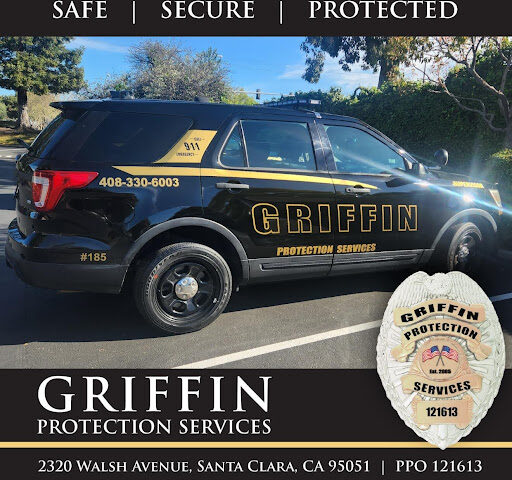
Commercial properties face security challenges that can change throughout the day. Office buildings, business parks, warehouses, retail centers, industrial facilities, parking areas, and other commercial properties may experience unauthorized access, trespassing, theft, property damage, suspicious activity, or security concerns after normal business hours.
For many property owners and managers, having a security guard stationed at one location around the clock may not always be necessary. Mobile patrol security can provide a flexible alternative by putting trained security officers on the move throughout the property at scheduled or randomized intervals.
Mobile patrols typically involve security officers traveling through a property in marked vehicles and conducting assigned checks. Depending on the security plan, patrols may include perimeter inspections, parking-lot checks, entrance and gate checks, lock-up services, alarm response, and incident reporting. Competitor research shows that these services are commonly positioned for commercial buildings, business parks, warehouses, construction sites, retail properties, and other large or multi-site environments.
But is mobile patrol security right for your commercial property?
Here are the key benefits to consider.
Mobile patrol security is a service in which trained security officers use patrol vehicles to regularly inspect a commercial property.
Unlike a stationary security guard who remains at a designated post, a mobile patrol officer moves throughout assigned areas and checks multiple locations according to a customized patrol schedule.
Depending on the property and service agreement, mobile patrols may include:
Patrol schedules can be customized based on the property’s layout, operating hours, security risks, and business requirements.
One of the biggest advantages of mobile patrol security is visibility.
A marked security vehicle regularly moving through a commercial property can signal that the property is actively monitored. This visible presence may discourage trespassing, unauthorized activity, property damage, and opportunistic theft.
For properties that are vacant or lightly occupied after business hours, a visible security patrol can be especially useful.
Rather than relying exclusively on cameras to record activity after an incident occurs, mobile patrols put trained personnel physically on the property.
A stationary guard may be assigned to a specific entrance, lobby, or post. That can be appropriate for properties requiring constant on-site coverage, but large properties may have areas that are difficult to monitor from one location.
Mobile patrol officers can travel between:
This makes mobile patrol particularly useful for large commercial properties and properties with extensive outdoor areas.
Many commercial buildings have significantly less activity during evenings, overnight hours, weekends, and holidays.
These periods can create security gaps, particularly when buildings, parking lots, or surrounding areas are largely unoccupied.
Scheduled or randomized patrols can provide additional visibility during these periods.
A customized after-hours patrol program may include checking doors, gates, exterior areas, parking lots, and other locations identified during a security assessment.
Mobile patrol officers are already traveling throughout their assigned service areas, allowing them to respond to certain calls or alarms according to established procedures.
For example, a commercial property may request assistance after an alarm activation or report suspicious activity.
A patrol officer can assess the situation from the property, document relevant observations, and follow the agreed escalation procedure.
This does not mean mobile patrol officers replace emergency services. When a situation requires police, fire, medical, or other emergency assistance, the appropriate emergency service should be contacted.
Parking areas are an important part of commercial property security.
Employees, customers, tenants, and visitors may use parking lots early in the morning, late at night, or during periods when the main building is closed.
Mobile patrols can provide additional visibility around:
Regular patrols can help identify suspicious activity, unsecured areas, damaged property, or other concerns that should be reported to property management.
Commercial properties can attract unauthorized visitors, particularly when portions of a property are vacant or inactive.
Mobile patrol officers can inspect entrances, gates, perimeter areas, and other vulnerable locations.
If an officer encounters a person who appears to be unauthorized, the officer can follow the property’s established procedures for addressing and documenting the situation.
The goal is proactive monitoring rather than waiting for a security incident to become a larger problem.
Not every commercial property needs a security officer stationed on-site for every hour of the day.
Mobile patrol can allow businesses and property managers to customize coverage around their actual needs.
For example, a property may require:
This flexibility can make mobile patrol a practical option for properties that need a physical security presence but do not require continuous stationary coverage.
One reason businesses consider mobile patrol is the ability to obtain physical security coverage without necessarily staffing a dedicated guard post for the entire day.
For properties that need periodic inspections rather than continuous on-site presence, mobile patrol may provide a more appropriate security model.
However, mobile patrol is not automatically the right or cheapest option for every business. A property with high foot traffic, strict access-control requirements, frequent visitors, or significant security risks may benefit more from a dedicated security officer—or a combination of stationary guards and mobile patrols.
The right choice should be based on the property’s actual risk profile rather than price alone.
Property managers and businesses with multiple locations may face a particular challenge: maintaining security visibility across several properties.
Mobile patrol services can be structured to visit multiple locations as part of a customized route.
This can be useful for:
A multi-property patrol plan can provide security checks across locations without requiring a dedicated guard at every property.
Security risks are not always limited to the main building.
A commercial property may include fences, gates, exterior doors, storage areas, parking facilities, loading docks, and other areas that require periodic inspection.
A mobile patrol officer can be assigned specific checkpoints to inspect during each visit.
Depending on the service plan, officers may check for:
These checks can help property managers identify issues that might otherwise go unnoticed.
Some commercial properties need assistance securing the building at the end of the business day.
A mobile patrol officer may be assigned to conduct a lock-up procedure, checking designated doors, gates, and other access points.
Similarly, some properties may require an opening check before employees arrive.
These services should be clearly defined in the patrol officer’s post orders so that every required checkpoint is consistently addressed.
Security is more effective when property managers know what happened during a patrol.
Professional mobile patrol services can include documentation of visits, observations, incidents, and security concerns.
Depending on the provider and service arrangement, reports may document:
Detailed reporting can give property managers useful information for identifying recurring problems and improving security procedures.
Security technology can be extremely useful, but cameras and alarms have limitations.
A camera can provide visibility and record an event. An alarm can alert a business to a potential problem. But neither technology physically inspects a property.
Mobile patrol adds a human element.
A strong commercial security strategy may combine:
Security cameras + alarms + access control + mobile patrol + professional security guards
The right combination depends on the property’s risks and operational requirements.
Every commercial property has different vulnerabilities.
An office building may prioritize entrances and parking areas. A warehouse may require loading-dock and perimeter checks. A retail center may need parking-lot patrols and after-hours monitoring. An industrial property may require broader perimeter inspections.
This is why a customized patrol plan is generally more useful than a generic schedule.
Before creating a patrol program, a security provider should consider:
A common question among commercial property managers is whether to choose mobile patrol or a dedicated security guard.
Some commercial properties benefit from both approaches.
For example, an office complex might use an on-site security officer during business hours and mobile patrols overnight. This hybrid approach can provide a consistent daytime presence while extending security visibility beyond the main operating schedule.
The appropriate solution depends on the property’s individual security requirements.
Mobile patrol security can be useful across many commercial environments, including:
Patrols can monitor building exteriors, parking areas, entrances, and other vulnerable locations after hours.
Mobile patrols can inspect loading areas, gates, storage yards, and building perimeters.
Patrols can provide additional visibility around parking lots, storefronts, common areas, and entrances.
Large business parks can benefit from patrols covering multiple buildings and parking areas.
Mobile security can help monitor extensive perimeters, access points, storage areas, and equipment.
Patrol officers can inspect equipment areas, temporary structures, access points, and jobsite perimeters.
Choosing a provider is about more than finding a company that offers patrol vehicles.
Ask potential security providers about:
A reputable provider should first understand the property and its security requirements before recommending a patrol schedule.
Mobile patrol security can provide commercial property owners and managers with a flexible physical security presence. Regular patrols can help deter unauthorized activity, monitor vulnerable areas, support alarm response, inspect property conditions, and provide valuable security documentation.
However, mobile patrol should not be viewed as a universal replacement for dedicated security guards. The most effective solution depends on the property’s size, risks, operating hours, layout, and security objectives.
For some businesses, mobile patrol may be sufficient. Others may benefit from mobile patrol security combined with on-site security guards, surveillance cameras, access control, and alarm systems.
Griffin Protect can help businesses evaluate their security requirements and develop a customized protection strategy for commercial properties throughout the Bay Area and Northern California.
Looking for mobile patrol security for your commercial property? Contact Griffin Protect to discuss your property, security concerns, and preferred coverage requirements.
Mobile patrol security is a service in which trained security officers travel through a property in patrol vehicles and conduct scheduled or randomized security checks based on site-specific instructions.
Yes. Mobile patrol can be useful for office buildings, warehouses, retail centers, business parks, industrial properties, construction sites, and other commercial properties that need regular physical security checks.
Not always. Mobile patrol is different from a stationary security guard. Properties requiring constant access control, visitor assistance, or a continuous on-site presence may benefit from dedicated guards or a combination of both services.
Yes. Patrol schedules can be designed around a property’s operating hours and security needs, including overnight, weekend, and holiday coverage.
Yes. Parking-lot inspections can be included in a customized patrol plan. Officers may monitor for suspicious activity, unauthorized vehicles, property damage, or other concerns.
There is no universal schedule. Patrol frequency should be based on the property’s size, risk level, operating hours, previous incidents, and specific security requirements.
It can be for properties that need periodic inspections rather than continuous on-site coverage. However, the appropriate security solution should be selected based on risk and required coverage—not cost alone.