


Concerned about package theft in your Sunnyvale neighborhood? Looking for reliable security for your HOA or apartment complex? Need vacation watch for your home while you travel?
You are not alone. Sunnyvale residents and HOA boards face real security concerns every day. Package theft, vehicle break-ins, and after-hours trespassing affect many communities across the city.
Sunnyvale has grown significantly in recent years. New housing developments have been built near tech campuses. Apartment complexes have sprung up along major corridors. Long-time residents and newcomers alike want to feel safe in their neighborhoods.
The good news is that professional residential security services in Sunnyvale can address these challenges effectively. Licensed, trained guards patrol neighborhoods. They monitor common areas. They provide vacation watch for traveling residents. They give HOAs and property managers peace of mind.
This guide explains how residential security works for Sunnyvale communities.
Sunnyvale is a desirable place to live. The city has excellent schools, beautiful parks, and convenient access to major tech employers. However, these positive attributes also bring challenges.
Package theft is perhaps the most common complaint in Sunnyvale neighborhoods. Porch pirates follow delivery trucks. They steal packages within minutes of arrival. Residents come home to find nothing on their doorstep. This problem has grown worse as online shopping has increased.
Many residents work long hours at tech companies. Their homes sit empty during the day. This makes them attractive targets for package thieves and other criminals.
Vehicle break-ins occur frequently in apartment parking lots and on residential streets. Thieves look for visible items like laptops, bags, and phones. A single break-in can cost hundreds or thousands in damages and stolen property.
After-hours pool and amenity access is a concern for many HOAs. Residents pay fees for access to pools, clubhouses, and gyms. Unauthorized individuals sometimes use these facilities after hours. This creates liability issues for the HOA.
Trespassing affects both active and vacant properties. Unauthorized individuals may enter construction sites, model homes, or vacant lots. They may cause damage or create safety hazards.
Vacationing residents need their homes checked while they are away. A house sitting empty for two weeks is an attractive target. Without regular checks, issues may go unnoticed until the homeowner returns.
Without proper security, residents feel unsafe. HOA boards face complaints. Property values may decline. Investing in residential security services in Sunnyvale protects your community.
Professional residential security includes several different service types. Here is what each one involves.
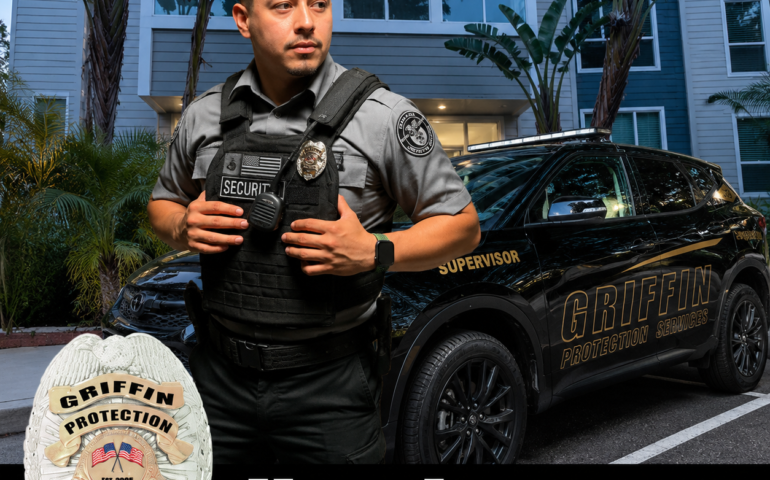
Many HOAs contract for regular security patrol. A marked patrol vehicle passes through the neighborhood at randomized intervals. The officer checks common areas, parking lots, and perimeter fences.
Patrol frequencies vary by community needs. Some HOAs want patrols every hour. Others are satisfied with four patrols per shift. The schedule is customized based on your budget and risk level.
Randomized patrol times are essential. Fixed schedules are predictable. Criminals can learn when the patrol vehicle will pass. Randomization keeps them guessing.
When residents travel, security guards can perform daily exterior checks. The guard looks for signs of forced entry. They check that doors and windows are secure. They retrieve packages from the front porch. They ensure that vehicles remain in place.
Residents provide travel dates and emergency contacts. The guard adds the property to their daily checklist. Reports are provided to the homeowner upon request.
Vacation watch is popular among Sunnyvale residents who travel frequently for business or pleasure. It provides peace of mind knowing someone is watching your home.
HOAs often have common areas that need monitoring. Pools, clubhouses, playgrounds, and tennis courts are examples. Guards check these areas during patrols. They ensure that only authorized residents are using the facilities after hours.
If unauthorized individuals are found, the guard asks them to leave. If they refuse, the guard documents the incident and contacts the HOA board. This protects the HOA from liability.
Vehicle patrol covers more ground quickly. A single officer can cover a large neighborhood in a short time. However, vehicle patrol has limitations. The officer sees less from inside a car.
Foot patrol is more thorough. The officer walks through common areas, parking lots, and walkways. They notice things a driver would miss. An open garage door, a package left overnight, a gate that did not close properly.
Many HOAs use a combination of both. The officer drives between sections of the neighborhood. Then they exit the vehicle to conduct foot inspections.
Visible security patrols discourage criminal activity. A marked patrol vehicle passing through the neighborhood sends a clear message: this community is protected. Would-be thieves and vandals think twice.
Research shows that visible security reduces crime. Criminals look for easy targets. A neighborhood with regular patrols is not an easy target.
Patrol officers are in the area. If an incident occurs, they can respond quickly. They assess the situation. They contact police if needed. They document everything.
Without patrol, residents must call 911 and wait. Response times vary. Minutes can matter in an emergency.
Knowing that security guards patrol the neighborhood gives residents confidence. They feel safer walking their dogs at night. They worry less about package theft. They appreciate the HOA’s investment in their safety.
This peace of mind translates into higher resident satisfaction. HOAs with security patrol often receive fewer complaints.
When incidents occur, guards write reports. These reports document what happened, when it happened, and who was involved. Photographs are included. This documentation is valuable for HOA boards.
If a resident complains about an issue, the board has records. If an insurance claim is needed, the documentation supports it.
Many residents wonder what security guards do during their shifts. Here is a realistic breakdown.
At the start of each shift, the guard drives the entire perimeter of the community. They note any vehicles or persons present. They establish a baseline for the night.
The guard walks through common areas. They check pool gates, playgrounds, mailrooms, and clubhouses. They ensure that facilities are secure.
The guard patrols parking lots and parking structures. They look for unlocked vehicles. They check for suspicious activity. They document any issues.
The guard may park at key locations for observation. They watch for unusual activity. They note vehicles that do not belong.
Later in the shift, the guard conducts a second foot patrol. They check previously visited areas. They verify that no changes have occurred.
The guard inspects perimeter fences and gates. They look for cuts, gaps, or tampering. They document any damage.
The guard writes a report of all activities and observations. The report is provided to the HOA board or property manager.
California requires security guards to hold valid Guard Cards. Griffin Protection ensures every officer meets state requirements.
Our guards receive de-escalation training, first aid certification, and residential security training.
We know Sunnyvale. Our guards understand local neighborhoods and community layouts.
We conduct free site assessments and create customized residential security plans.
Security is essential for Sunnyvale residential communities. Professional residential security services in Sunnyvale deter crime and protect homes.
Do not wait for an incident. Contact Griffin Protection Services today.
Looking for trusted residential security in Sunnyvale? Contact Griffin Protection Services today. PPO #121613.
Q1: How much do residential security services cost in Sunnyvale?
A: Costs vary by community size and patrol frequency. Contact us for a free quote.
Q2: Can security guards stop vehicles in my HOA?
A: Guards can ask for identification but cannot forcibly stop vehicles.
Q3: Are residential security guards licensed in California?
A: Yes. All guards must hold a valid Guard Card with 40 hours of training.
Q4: What is vacation watch?
A: Daily exterior property checks, package retrieval, and vehicle monitoring while you travel.
Q5: How often will guards patrol my neighborhood?
A: Patrol frequency is customized. Schedules are randomized to prevent predictability.
Q6: Do you serve apartment complexes in Sunnyvale?
A: Yes, including complexes near tech campuses and downtown.
Q7: How quickly can residential security start?
A: After a free site assessment, service often begins within one to two weeks.
Q8: Do guards exit their vehicles during patrol?
A: Yes. Guards conduct foot patrols to inspect common areas thoroughly.
Q9: Can guards write incident reports for HOA boards?
A: Yes. Detailed incident reports are provided after each shift.
Q10: Do you serve gated communities in Sunnyvale?
A: Yes, including all residential communities and HOAs.