


Gated communities in Almaden Valley need protection. Luxury apartments near Santana Row face risks too. Townhomes in Evergreen also benefit from security. Residents in these San Jose neighborhoods want to feel safe. Yet they do not want to feel watched constantly. Private unarmed guards provide that balance.
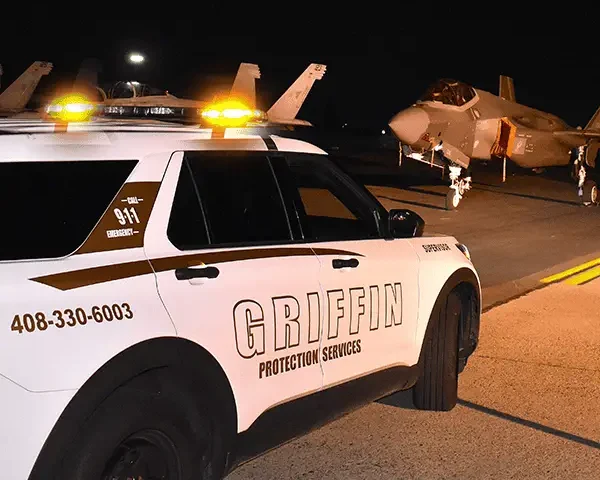
A friendly professional drives through the community several times each night. They wave at residents walking dogs. Occasionally, they stop to check a gate that was left open. This welcoming presence blocks crime. At the same time, it builds good relationships with homeowners.
Griffin Protection has protected San Jose homes since 2005. Their unarmed approach fits California’s culture perfectly. No one wants armed patrols in a family neighborhood. However, everyone wants someone watching for strange activity while they sleep.
Commercial guards protect products and cash registers. Residential private guards protect people and their homes. Therefore, the training and mindset differ greatly. A residential guard learns to be visible without being intrusive. They understand that a family backyard party does not need interruption. At the same time, they know that a stranger walking between houses at 1 AM needs investigation.
Residential guards also build familiarity over time. They know which cars belong in which driveways. The mail carrier and pool cleaning service become familiar faces. When a moving truck appears without any notice to the HOA, they notice immediately. For this reason, good companies avoid rotating guards too frequently.
Professional unarmed guards never follow the exact same path every night. Thieves study patterns carefully. If a patrol car passes a certain street at 11:15 PM each evening, criminals will simply wait until 11:45 PM. Smart security companies randomize their patrol routes. A GPS system tracks each vehicle. Nevertheless, the order of streets changes without warning.
Many San Jose HOAs have gated entrances. Unfortunately, gates break often. Delivery drivers follow residents through open arms. Visitors type random codes until one works. Unarmed guards stationed at entrances solve these problems easily. They verify that each vehicle belongs there. Identification gets checked for unknown drivers. After that, anyone without a legitimate destination inside the community gets refused entry.
Residential arguments differ from commercial conflicts. Neighbors fight about noise and parking. Property lines cause disagreements too. Teenagers gather in common areas late at night. Someone’s visiting relative parks in the wrong spot. An unarmed guard trained in calm communication handles these situations without making anyone angry.
The guard approaches slowly. First, they explain why they are there. Second, they listen to frustrations without arguing back. Finally, they propose a reasonable solution. For example: “Your guest can park in that space tonight, but tomorrow please use the visitor lot.” This method fixes the immediate issue. Moreover, it leaves the neighbor feeling heard rather than attacked.
Griffin Protection emphasizes this communication style for all residential work. Their guards learn to be firm when needed. Polite behavior is always the default setting.
Residents fall down sometimes. Elderly neighbors have medical emergencies. Kitchen fires start unexpectedly as well. An unarmed guard arriving within minutes can provide crucial help. They call 911 immediately. Emergency vehicles get guided to the correct building. CPR gets performed if the guard is trained. People with disabilities receive assistance during evacuations. This fast response saves lives during the critical minutes before professional medical help arrives.
To learn how home protection fits with business coverage, see our overview of unarmed security guard services for San Jose companies .
1. Can an unarmed guard enter my home while I am away?
Only with your written permission. A true emergency must also exist, such as a fire or water leak. Normal patrols never include going inside homes.
2. How many homes can one patrol vehicle cover effectively?
One vehicle can handle a community of 150 to 300 homes. Four to six passes during an eight-hour shift is typical.
3. Do unarmed residential guards carry handcuffs?
Some do carry them. Handcuffs are considered restraint tools, not weapons. California law allows unarmed guards to carry them after proper training.
4. Can a private guard block a delivery driver from entering my gated community?
Yes, they can. The guard works for the HOA and follows its access rules. If a driver lacks proper ID or delivery papers, the guard can deny entry.
5. What happens if a resident refuses to follow a guard’s instruction?
The guard writes a report. This report goes to the HOA board. Guards cannot arrest residents for refusing instructions. However, the HOA may issue fines or warnings separately.
6. May guards search vehicles entering the community?
Generally, no. Vehicle searches require permission or a warrant. Guards can look through windows. They can ask questions too. Nevertheless, trunks and glove boxes cannot be opened without consent.
7. Can I request the same guard every night for my community?
Yes, this is often possible. Many companies allow client preferences. Long-term communities usually keep the same guards because residents know and trust them. Speak with your account manager about this request.